

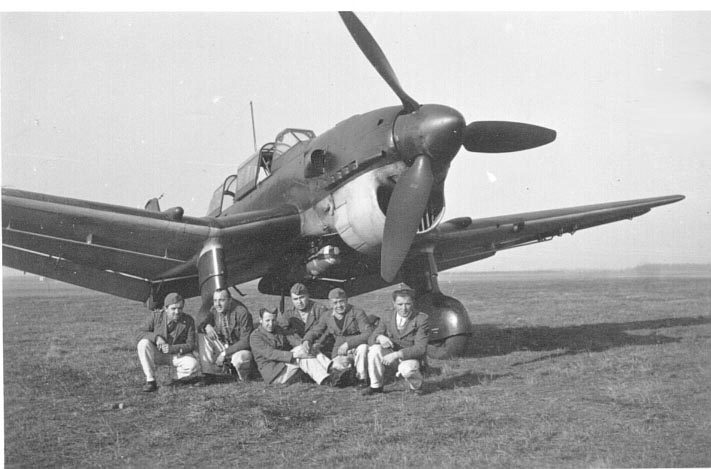
Welcome to Flight School! This scripted campaign will take you through a series of tutorial missions for this aircraft. By the time you’ve completed all missions, you should be well prepared to start a career, a combat scripted campaign, or try some multiplayer.
비행 학교에 오신 것을 환영합니다! 이 스크립트 캠페인은 이 항공기에 대한 일련의 튜토리얼 임무를 안내합니다. 모든 임무를 완료할 때쯤이면 커리어, 전투 스크립트 캠페인 또는 멀티 플레이를 시도하십시오.
If you’re new to flight sims, you should familiarize yourself with the below definitions and concepts. If you’re and experienced flight sim pilot, you can likely continue straight to the missions.
비행 시뮬레이션이 처음이라면 아래의 정의와 개념을 숙지해야 합니다. 비행 시뮬레이션 조종사이고 경험이 있다면 임무를 계속 진행할 수 있습니다.
‘Controlling the aircraft:’ ‘항공기 제어:’
Joystick/Yoke: 조이스틱/요크:
A joystick or yoke is the primary control input for most aircraft. They can be moved forward, backward, left, and right in order to control the pitch and roll of the aircraft. If you push forward on the joystick/yoke, the nose of the aircraft should pitch down. If you pull back on the joystick/yoke, the aircraft should pitch up. This motion moves hinged control surfaces on the ‘horizontal stabilizer’ part of the tail of the aircraft, called ‘elevators’. Moving the joystick/yoke to the right and left will cause the aircraft to roll. This motion moves hinged control surfaces near the ends of the wings, called ‘ailerons’. These ailerons will move opposite of each other, to produce counteracting forces.
조이스틱 또는 요크는 대부분의 항공기에 대한 기본 제어 입력입니다. 그들은 항공기의 피치와 롤을 제어하기 위해 전진, 후진, 좌, 우로 움직일 수 있습니다. 조이스틱/요크를 앞으로 밀면 기체의 기수가 아래로 내려가야 합니다. 조이스틱/요크를 뒤로 당기면 기체가 위로 올라가야 합니다. 이 동작은 ‘엘리베이터’라고 하는 항공기 꼬리의 ‘수평 안정판’ 부분에 힌지된 제어 표면을 이동합니다. 조이스틱/요크를 좌우로 움직이면 기체가 굴러갑니다. 이 동작은 ‘에일러론’이라고 하는 날개 끝 근처의 경첩이 달린 제어 표면을 움직입니다. 이 에일러론은 서로 반대 방향으로 움직여 반작용하는 힘을 생성합니다.
Rudder Pedals: 방향타 페달:
Rudder pedals are pushed by the pilot’s feet to control the yaw of the aircraft. Think of this as a flat twisting of where the aircraft is pointed. Pushing the right rudder pedal will cause the aircraft to yaw to the right, and the left pedal will yaw to the left. These motions control a hinged control surface called the ‘rudder’ on the ‘vertical stabilizer’ of the aircraft. This is the part of the tail that sticks up vertically. If you’re new to flight sims you may not have a set of rudder pedals. In that case, twisting the joystick itself should be used as rudder input.
러더 페달은 조종사의 발로 눌러 항공기의 요(yaw)를 제어합니다. 이것을 항공기가 가리키는 곳의 평평한 비틀림으로 생각하십시오. 오른쪽 방향타 페달을 밟으면 기체가 오른쪽으로 기울어지고 왼쪽 페달은 왼쪽으로 기울어집니다. 이러한 동작은 항공기의 ‘수직 안정 장치’에 있는 ‘방향타’라고 하는 힌지 제어 표면을 제어합니다. 세로로 튀어나온 꼬리 부분입니다. 비행 시뮬레이션이 처음이라면 방향타 페달이 없을 수 있습니다. 이 경우 조이스틱 자체를 비틀어 러더 입력으로 사용해야 합니다.
Flaps: 플랩:
Airplane flaps are typically installed on the back edge of the wings, closer to the fuselage. When lowered, flaps will increase lift at slower speeds. This is typically used in take-off, landing, and for performing tighter turning at slower speeds.
비행기 플랩은 일반적으로 동체에 더 가까운 날개의 뒤쪽 가장자리에 설치됩니다. 플랩을 낮추면 느린 속도로 양력이 증가합니다. 이것은 일반적으로 이륙, 착륙 및 느린 속도로 더 세게 선회하는 데 사용됩니다.
Stalls/Spins: 스톨/스핀:
An aerodynamic ‘stall’, not to be confused with engine stall, occurs when air is flowing past the wings in a way that lift is insufficient to maintain flight. This can happen for two main reasons; insufficient airspeed, or agrressive maneuvering. In the first case, the plane is flying below the stall speed for that aircraft, either due to lack of engine power, or trying to climb too steeply. In either case, it’s typically easy to recover from this stall condition by simply increasing power or lowering the nose of the aircraft to increase airspeed.
공기 역학적 ‘실속’은 엔진 실속과 혼동되지 않으며, 양력이 비행을 유지하기에 불충분한 방식으로 공기가 날개를 지나 흐를 때 발생합니다. 이것은 두 가지 주요 이유로 발생할 수 있습니다. 불충분한 속도 또는 공격적인 기동. 첫 번째 경우, 비행기는 엔진 출력이 부족하거나 너무 가파르게 오르려고 하기 때문에 해당 항공기의 실속 속도 이하로 비행하고 있습니다. 두 경우 모두 단순히 출력을 높이거나 항공기 기수를 낮추어 속도를 높이면 일반적으로 이러한 실속 상태에서 쉽게 회복할 수 있습니다.
In the second case airspeed is sufficient, but the plane is maneuvering hard enough that air flows past the wings at too sharp of an angle. Most planes will experience ‘buffeting’ when they’re close to stalling in this way, a shaking or vibration in the aircraft. This is caused by turbulent airflow coming off the wings and interacting with the tail of the aircraft. When a pilot experiences this buffeting, they should be aware that they are on the edge of stall conditions, and should release pressure on control surfaces to regain control and lift.
두 번째 경우의 속도는 충분하지만 비행기가 너무 세게 조종하여 공기가 날개를 지나쳐 너무 날카로운 각도로 흐릅니다. 대부분의 비행기는 이런 식으로 실속이 가까워지면 항공기가 흔들리거나 진동하는 ‘버프팅’을 경험하게 됩니다. 이것은 날개에서 나와 항공기 꼬리와 상호 작용하는 난기류에 의해 발생합니다. 조종사가 이러한 버핏을 경험할 때 실속 상태의 가장자리에 있음을 인식하고 제어 및 양력을 회복하기 위해 제어 표면에 대한 압력을 해제해야 합니다.
If a stall occurs while turning, the plane may enter into a ‘spin’. Spins will be experienced as a spiraling loss of lift and rapid descend of the aircraft. This is caused by uneven stalling of the wing surfaces, where lift and drag of one wing are different than the other. Each aircraft will have it’s own stall and spin characteristics, but typically to recover from a spin, you will throttle down and let go of the stick, counter-act the yaw motion with opposite rudder, point the nose of the aircraft down, and build enough speed to pull up into level flight. Spin recovery will always require some loss of altitude, so spins at low altitude can be particularly deadly.
회전 중 실속이 발생하면 비행기가 ‘스핀’ 상태가 될 수 있습니다. 회전은 양력의 나선형 손실과 항공기의 급격한 하강으로 경험됩니다. 이것은 한 날개의 양력과 항력이 다른 날개와 다른 날개 표면의 고르지 못한 실속으로 인해 발생합니다. 각 항공기에는 고유한 실속 및 스핀 특성이 있지만 일반적으로 스핀에서 회복하려면 스로틀을 낮추고 스틱을 놓고 반대 방향 방향타로 요 운동에 대응하고 항공기 기수를 아래로 향하게 한 다음 빌드합니다. 수평 비행을 하기에 충분한 속도. 스핀 회복에는 항상 약간의 고도 손실이 필요하므로 저고도에서의 스핀은 특히 치명적일 수 있습니다.
‘Engine Management:’ ‘엔진 관리:’
Throttle: 조절판:
The throttle lever is the primary means by which the pilot will control engine power and airspeed. By increasing the throtlle, you are increase the amount of fuel and air entering the engine. In the vast majority of aircraft, moving the throttle lever forward will increase the throttle, and back will decrease it. The ‘manifold pressure> gauge is the primary indicator of throttle. While this guage refers to pressure, it is technically reading the suction that the engine is producing. When throttle increases, the engine suction of fuel air mixture increases. Care should be taken when increasing throttle to not exceed aircraft manifold pressure limits.
스로틀 레버는 조종사가 엔진 출력과 속도를 제어하는 주요 수단입니다. 스로틀을 높이면 엔진에 들어가는 연료와 공기의 양이 증가합니다. 대부분의 항공기에서 스로틀 레버를 앞으로 움직이면 스로틀이 증가하고 뒤로 움직이면 스로틀이 감소합니다. ‘매니폴드 압력>/b> 게이지는 스로틀의 주요 지표입니다. 이 게이지는 압력을 나타내지만 기술적으로는 엔진이 생성하는 흡입을 읽습니다. 스로틀이 증가하면 연료 공기 혼합물의 엔진 흡입이 증가합니다. 항공기 매니폴드 압력 한계를 초과하지 않도록 스로틀을 증가시킬 때 주의해야 합니다.
Mixture:
The mixture lever controls the ratio of fuel to air that enters the engine for combustion. When the ratio of fuel is high, the mixture is ‘rich’, and when it is low, the mixture is ‘lean’. Typically, engine mixture will start on the ground with the lever in a rich or max position. As altitude increases and air pressure decreases, less oxygen is available for combustion, and the lever will need to be brought down so the ratio of air to fuel remains ideal. This process is known as leaning the mixture. Some planes have fully automatic mixture, and some have semi-auto control at specific lever positions. In fully manual planes, you can visually see uncombusted gas in your exhaust if mixture is too rich. If the mixture is too lean, you will start to see engine performance impacts. In cases where fuel efficiency is prioritized over power, a lean mixture may be desired.
혼합물:
혼합 레버는 연소를 위해 엔진으로 들어가는 연료 대 공기의 비율을 제어합니다. 연료의 비율이 높으면 혼합물이 ‘농후’하고 낮으면 혼합물이 ‘희박’합니다. 일반적으로 엔진 혼합물은 레버가 풍부한 위치 또는 최대 위치에 있는 상태에서 지면에서 시작됩니다. 고도가 증가하고 기압이 감소함에 따라 연소에 사용할 수 있는 산소가 줄어들고 연료와 공기의 비율이 이상적인 상태로 유지되도록 레버를 내려야 합니다. 이 과정은 혼합물을 기울이는 것으로 알려져 있습니다. 일부 비행기에는 완전 자동 혼합이 있고 일부는 특정 레버 위치에서 반자동 제어가 가능합니다. 완전 수동 비행기에서 혼합물이 너무 많으면 배기 가스에서 연소되지 않은 가스를 시각적으로 볼 수 있습니다. 혼합물이 너무 희박하면 엔진 성능에 영향을 미치기 시작합니다. 출력보다 연비가 우선시되는 경우 희박 혼합물이 필요할 수 있습니다.
Propeller Pitch/RPM:
‘RPM’ simply means “Revolutions Per Minute” and is a measure of how fast the propeller is spinning. There are two main types of propellers, fixed and variable pitch. Fixed pitch propellers are those where the angle of the propeller blades are not adjustable. This is common on WW1 and very early WW2 aircraft. With fixed pitch propellers, the engine RPM is a result of the throttle position and airspeed. Variable pitch propellers allow the angle of the blades to be adjusted to a more efficient orientation in a wide range of flight conditions. In most cases, this will be set by a ‘constant-speed propeller.’ Constant-speed propeller controls allow the pilot to use a lever to set the desired RPM. As the throttle and speed of the aircraft varies, the pitch of the propeller blades will be adjusted to maintain desired RPM. In some variable pitch propeller aircraft, the pilot has direct control over the pitch of the blades. In these aircraft, RPM will be influenced by throttle position, airspeed, and propeller pitch. Care should always be taken to not exceed engine limits of RPM.
프로펠러 피치/RPM:
‘RPM’은 단순히 “분당 회전수”를 의미하며 프로펠러가 회전하는 속도를 측정한 것입니다. 프로펠러에는 고정 및 가변 피치의 두 가지 주요 유형이 있습니다. 고정 피치 프로펠러는 프로펠러 블레이드의 각도를 조정할 수 없는 프로펠러입니다. 이것은 WW1 및 초기 WW2 항공기에서 일반적입니다. 고정 피치 프로펠러에서 엔진 RPM은 스로틀 위치와 속도의 결과입니다. 가변 피치 프로펠러를 사용하면 광범위한 비행 조건에서 블레이드 각도를 보다 효율적인 방향으로 조정할 수 있습니다. 대부분의 경우 ‘등속 프로펠러’에 의해 설정됩니다. 일정한 속도의 프로펠러 제어를 통해 조종사는 레버를 사용하여 원하는 RPM을 설정할 수 있습니다. 항공기의 스로틀과 속도가 변화함에 따라 프로펠러 블레이드의 피치가 원하는 RPM을 유지하도록 조정됩니다. 일부 가변 피치 프로펠러 항공기에서 조종사는 블레이드의 피치를 직접 제어합니다. 이러한 항공기에서 RPM은 스로틀 위치, 속도 및 프로펠러 피치의 영향을 받습니다. 엔진 RPM의 한계를 초과하지 않도록 항상 주의해야 합니다.
Turbocharger/Supercharger:
As altitude increases and air pressure decreases, less oxygen is available for engine combustion, and engine power starts to decrease. To overcome this, ‘Turbochargers’ and ‘Superchargers’ compress the air as it enters the engine, providing more oxygen for combustion. While both serve the same purpose, a Turbocharger is powered by and controlled by engine exhaust pressure, while a Supercharger is mechanically spun by the engine. Some Superchargers are single geared, and require no input from the pilot, while others will have different gears that should be engaged at specific altitudes to optimize performance. Not all planes have these devices installed, and some have both.
터보차저/슈퍼차저:
고도가 증가하고 기압이 감소함에 따라 엔진 연소에 사용할 수 있는 산소가 줄어들고 엔진 출력이 감소하기 시작합니다. 이를 극복하기 위해 ‘터보차저’와 ‘슈퍼차저’는 공기가 엔진으로 들어갈 때 압축하여 연소에 필요한 더 많은 산소를 공급합니다. 둘 다 동일한 목적을 수행하지만 터보차저는 엔진 배기 압력에 의해 구동되고 제어되는 반면 슈퍼차저는 엔진에 의해 기계적으로 회전합니다. 일부 슈퍼차저는 단일 기어이며 조종사의 입력이 필요하지 않은 반면 다른 슈퍼차저는 성능을 최적화하기 위해 특정 고도에서 작동해야 하는 다른 기어를 갖습니다. 모든 비행기에 이러한 장치가 설치되어 있는 것은 아니며 일부는 둘 다 설치되어 있습니다.
Cooling:
Most planes will require some form of temperature management in order to not overheat or cool the engine too much. These are typically controlled by a combination of ‘radiator shutters’ and engine ‘cowl flaps’. Many planes will have two radiators, one to cool the engine oil directly, and the other to cool the coolant fluid that flows through the engine. An engine cowl is simply the housing encases and protects the engine. Cowl flaps can be installed to direct air into, or restrict air out of the engine cowl space for the purposes of cooling engine systems.
냉각:
대부분의 비행기는 엔진을 너무 많이 과열시키거나 냉각시키지 않기 위해 어떤 형태의 온도 관리가 필요합니다. 이들은 일반적으로 ‘라디에이터 셔터’와 엔진 ‘카울 플랩’의 조합으로 제어됩니다. 많은 비행기에는 두 개의 라디에이터가 있습니다. 하나는 엔진 오일을 직접 냉각하고 다른 하나는 엔진을 통해 흐르는 냉각수를 냉각합니다. 엔진 카울은 단순히 하우징을 감싸고 엔진을 보호합니다. 카울 플랩은 엔진 시스템 냉각을 위해 엔진 카울 공간으로 공기를 보내거나 공기를 제한하기 위해 설치할 수 있습니다.
See you in the skies!
Utopioneer”
하늘에서 만나요!
유토피아”